
Maintaining healthy blood sugar levels is important for overall health, especially for people living with diabetes or prediabetes. While medication, physical activity, sleep, and regular health checkups play an important role, your daily food choices can also make a significant difference.
Some foods help slow down the absorption of sugar into the bloodstream, while others can cause blood glucose levels to rise quickly. Understanding which foods to eat more often and which ones to limit can help you make better dietary decisions.
But does managing blood sugar mean giving up rice, roti, fruits, or your favourite Indian meals? Not necessarily!
The key is to choose nutritious foods, control portion sizes, and maintain a balanced diet.
In this guide, we will explore the best and worst foods for blood sugar control, including Indian foods, healthy alternatives, and simple eating habits that can support better glucose management.
How Does Food Affect Blood Sugar Levels?
Blood sugar, also known as blood glucose, is the primary source of energy for your body’s cells. When you eat carbohydrate-rich foods, your digestive system breaks them down into glucose, which enters your bloodstream.
The hormone insulin helps move glucose from the blood into your cells.
However, people with diabetes may not produce enough insulin or may not use insulin effectively. As a result, glucose can build up in the bloodstream.
Different foods affect blood sugar differently:
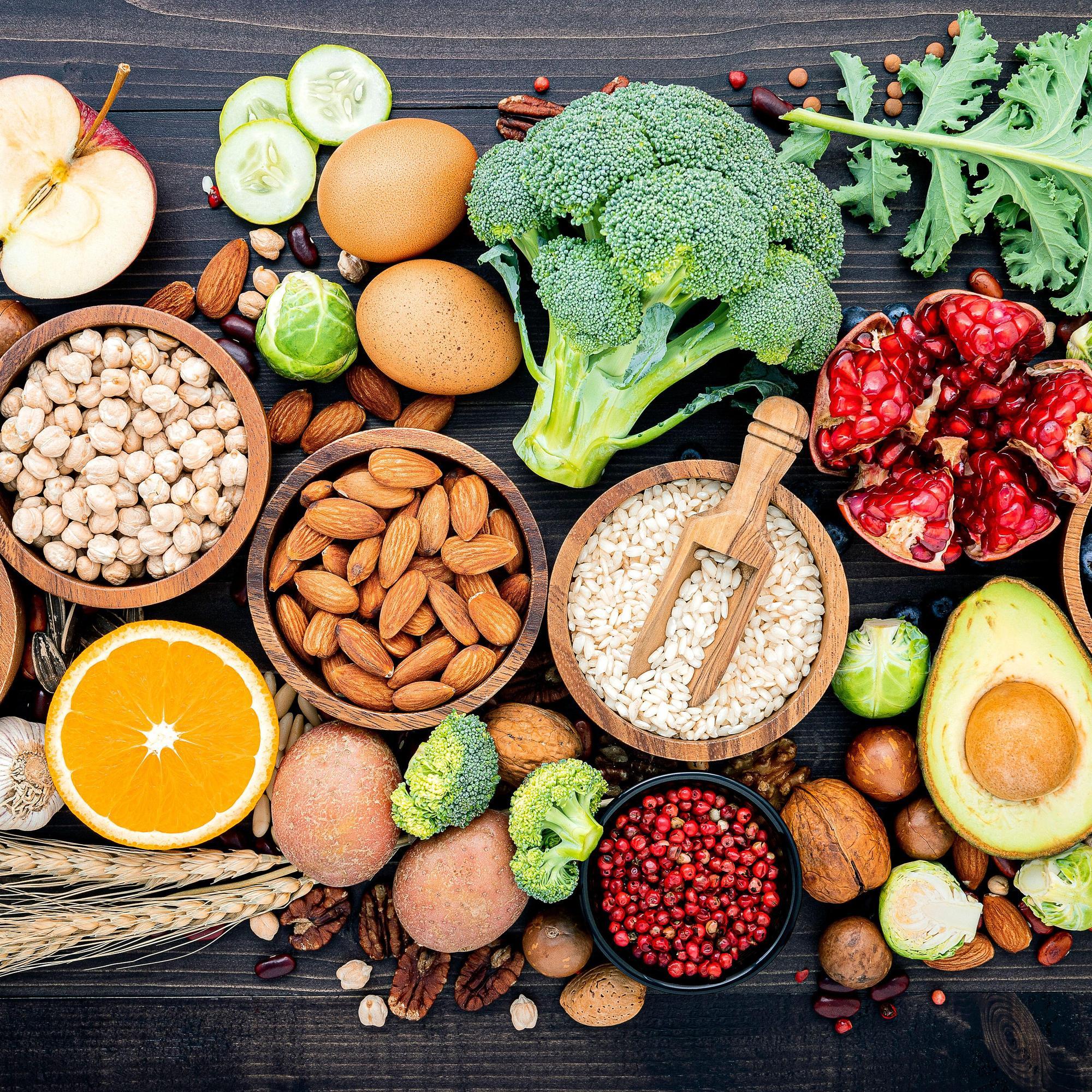
- Carbohydrates: Rice, bread, potatoes, fruits, and sugary foods can increase blood glucose.
- Protein: Eggs, fish, paneer, and chicken generally have a smaller immediate effect on blood glucose.
- Healthy fats: Nuts, seeds, and avocados can help slow digestion when eaten with carbohydrate-containing foods.
- Fibre: Vegetables, whole grains, fruits, and legumes help slow carbohydrate digestion and support better glucose management.
The quantity of carbohydrates you eat, the type of food, and what you combine it with all influence your blood sugar response.
Best Foods for Blood Sugar Control
A balanced diet rich in fibre, protein, healthy fats, and nutrient-dense carbohydrates can help support healthy blood glucose levels.
Here are some of the best foods to include in your regular diet.
1. Green Leafy Vegetables
Green leafy vegetables are excellent additions to a blood sugar-friendly diet. They are generally low in carbohydrates and provide essential vitamins, minerals, and fibre.
Best options include:
- Spinach (Palak)
- Fenugreek leaves (Methi)
- Amaranth leaves
- Kale
- Lettuce
- Mustard greens
You can include these vegetables in salads, soups, sabzis, and everyday meals.
2. Whole Grains
Whole grains contain more fibre and nutrients than many refined grain products. Choosing less-processed grains can help improve the overall quality of your diet.
Healthy options include:
- Oats
- Barley (Jau)
- Quinoa
- Brown rice
- Whole wheat
- Dalia (Broken wheat)
- Millets such as jowar, bajra, and ragi
Remember that whole grains still contain carbohydrates. Portion control remains important, particularly if you have diabetes.
3. Pulses and Legumes
Pulses and legumes provide plant-based protein, fibre, vitamins, and minerals. Their fibre content can help slow the digestion of carbohydrates.
Include these foods in your meals:
- Moong dal
- Masoor dal
- Chana
- Rajma
- Chickpeas
- Black-eyed peas (Lobia)
- Sprouted moong
A bowl of dal, chana, or sprouts can be a nutritious addition to lunch or dinner.
4. Nuts and Seeds
Nuts and seeds contain healthy fats, protein, and fibre. They make convenient snacks and can help create more balanced meals.
Best choices include:
- Almonds
- Walnuts
- Pistachios
- Chia seeds
- Flaxseeds
- Pumpkin seeds
- Sunflower seeds
Choose unsalted and unsweetened varieties whenever possible. Keep portions moderate because nuts and seeds are calorie-dense.
5. Fruits with Fibre
People with diabetes do not need to avoid all fruits. Whole fruits provide fibre, antioxidants, vitamins, and minerals.
Some suitable options include:
- Guava
- Apple
- Pear
- Orange
- Papaya
- Berries
- Kiwi
Choose whole fruits instead of fruit juices. The fibre in whole fruit helps slow digestion, while juice can deliver a larger amount of sugar more quickly.
Remember that fruits contain natural carbohydrates, so serving size matters.
6. Protein-Rich Foods
Protein is an important part of a balanced diet. Including protein with meals can help you feel full for longer and balance meals containing carbohydrates.
Healthy protein sources include:
Vegetarian:
- Paneer
- Tofu
- Unsweetened Greek yoghurt
- Dal
- Chickpeas
- Soybeans
Non-vegetarian:
- Eggs
- Fish
- Skinless chicken
- Lean meat
Choose cooking methods such as grilling, steaming, baking, and light sautéing instead of deep-frying.
7. Healthy Fats
Healthy fats can support heart health and make meals more satisfying.
Some good choices include:
- Olive oil
- Groundnut oil
- Mustard oil
- Avocados
- Almonds
- Walnuts
- Flaxseeds
Use cooking oils in moderate quantities and limit foods containing excessive saturated and trans fats.
Worst Foods for Blood Sugar Control
No single food needs to be labelled completely forbidden for everyone. However, certain foods and beverages can cause rapid increases in blood glucose, particularly when consumed frequently or in large portions.
Here are some foods to limit.
1. Sugary Drinks and Soft Drinks
Sugary beverages are among the easiest ways to consume large amounts of sugar without feeling full.
Limit or avoid:
- Soft drinks
- Packaged fruit juices
- Sweetened iced tea
- Energy drinks
- Sugar-loaded cold coffee
- Sweetened milkshakes
Even fresh fruit juice can raise blood sugar faster than eating whole fruit because much of its fibre is removed during juicing.
Better alternative: Choose water, unsweetened lemon water, plain chaas, or unsweetened green tea.
2. Refined Carbohydrates
Refined carbohydrates are processed foods that have lost much of their natural fibre.
Examples include:
- White bread
- Maida-based products
- White pasta
- Bakery buns
- Refined flour biscuits
- White flour noodles
These foods are often digested quickly and may contribute to blood sugar spikes.
Better alternative: Choose whole wheat roti, oats, dalia, barley, and other minimally processed whole grains.
3. Sweets and Desserts
Traditional Indian sweets are delicious but often contain high amounts of sugar and refined carbohydrates.
Try to limit:
- Gulab jamun
- Jalebi
- Rasgulla
- Barfi
- Ladoo
- Cakes
- Pastries
- Ice cream
You do not necessarily have to eliminate every sweet from your diet. However, portion control and frequency are important.
Better alternative: Choose a small portion of whole fruit or unsweetened yoghurt when craving something sweet.
4. Deep-Fried Foods
Deep-fried foods are often high in calories and unhealthy fats. Regular consumption can contribute to weight gain and poor metabolic health.
Limit foods such as:
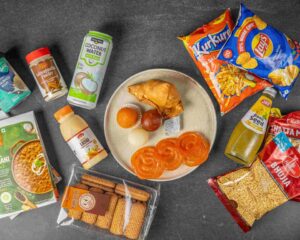
- Samosas
- Kachori
- Pakoras
- French fries
- Chips
- Fried namkeen
- Poori and bhatura
Better alternative: Try roasted chana, baked snacks, steamed dhokla, or homemade vegetable-based snacks.
5. Sugary Breakfast Cereals
Many packaged breakfast cereals contain added sugar and refined carbohydrates.
Be cautious with:
- Sugar-coated cornflakes
- Chocolate cereals
- Sweetened muesli
- Flavoured instant oats
- Sugary granola
Better alternative: Choose plain oats, unsweetened muesli, or vegetable dalia. Add nuts and seeds for extra fibre and protein.
6. Sweetened Tea and Coffee
Many people consume multiple cups of tea or coffee throughout the day without considering the added sugar.
Regularly adding sugar to beverages can increase your overall daily sugar intake.
Better alternative: Gradually reduce added sugar and try unsweetened tea, black coffee, or coffee with unsweetened milk.
7. Processed and Packaged Snacks
Packaged foods may contain refined carbohydrates, added sugar, sodium, and unhealthy fats.
Limit frequent consumption of:
- Packaged biscuits
- Instant noodles
- Flavoured chips
- Sweetened protein bars
- Packaged cakes
- Processed snack mixes
Check nutrition labels for total carbohydrates, added sugars, fibre, and serving sizes.
Best and Worst Foods for Blood Sugar Control: Quick Comparison
| Food Category | Better Choices | Foods to Limit |
|---|---|---|
| Grains | Oats, barley, dalia, whole wheat | Refined flour bread, pastries |
| Rice | Controlled portions of brown or less-polished rice | Large portions of polished white rice |
| Vegetables | Spinach, broccoli, cauliflower, beans | Vegetables prepared with excessive cream or butter |
| Fruits | Guava, apple, pear, orange | Fruit juice and sugar-syrup canned fruits |
| Protein | Eggs, fish, paneer, tofu, dal | Processed meats and heavily fried protein foods |
| Snacks | Nuts, roasted chana, sprouts | Chips, biscuits, sugary snacks |
| Beverages | Water, unsweetened tea, plain chaas | Soft drinks, sweetened juices, energy drinks |
| Desserts | Small portions of whole fruit | Frequent consumption of sweets and cakes |
Indian Foods: What Should You Eat and What Should You Limit?
Managing blood sugar does not mean you have to stop eating traditional Indian food.
You can enjoy familiar meals by making a few adjustments to ingredients, preparation methods, and portion sizes.
| Common Indian Food | Healthier Approach |
|---|---|
| Roti | Choose whole wheat or mixed-grain roti and control portions |
| White rice | Reduce the portion and combine with dal and vegetables |
| Idli | Pair with sambar and vegetables |
| Dosa | Prefer less-oily preparations and pair with sambar |
| Poha | Add vegetables and peanuts |
| Upma | Add more vegetables and use moderate oil |
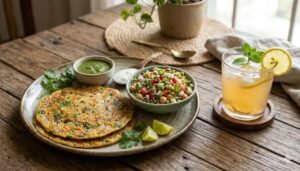
| Paratha | Use less oil and pair with plain curd |
| Biryani | Choose a moderate portion with vegetables and lean protein |
| Dal khichdi | Add vegetables and balance the portion |
| Chole | Use less oil and pair with a controlled portion of whole-grain roti |
The important thing is not to eliminate all carbohydrates but to select better sources and manage their quantities.
How to Create a Blood Sugar-Friendly Meal Plate
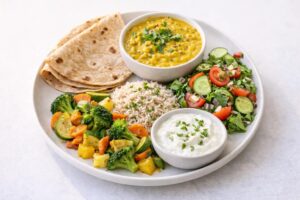
One simple way to manage meal portions is the Diabetes Plate Method.
Use a plate of approximately 9 inches and divide it into three sections:
1. Half the plate: Non-starchy vegetables
Fill half your plate with:
- Spinach
- Cucumber
- Broccoli
- Cauliflower
- Beans
- Cabbage
- Capsicum
2. One-quarter: Protein
Include:
- Dal
- Paneer
- Tofu
- Eggs
- Fish
- Chicken
3. One-quarter: Carbohydrates
Choose:
- Whole wheat roti
- Brown rice
- Dalia
- Millets
- Quinoa
- Other whole grains
You can also include a suitable portion of plain yoghurt or milk as part of your overall meal plan.
Drink water or another unsweetened beverage with your meal.
This method is a useful starting point, but your individual carbohydrate requirements may vary depending on your health condition, medications, activity level, and nutritional needs.
7 Simple Eating Habits to Maintain Healthy Blood Sugar Levels
Choosing healthy foods is important, but your eating habits also matter.
Here are seven practical habits to consider:
1. Avoid skipping meals
Maintain a consistent eating schedule. Skipping meals may affect blood glucose levels, particularly if you take insulin or certain diabetes medications.
2. Practise portion control
Even nutritious foods can raise blood sugar when eaten in large quantities. Pay attention to portions of rice, roti, fruits, and other carbohydrate-rich foods.
3. Include fibre in every meal
Add vegetables, pulses, whole grains, and whole fruits to your daily diet.
4. Combine carbohydrates with protein
Pair roti with dal, fruit with nuts, or whole-grain toast with eggs. Combining food groups can help slow digestion and improve meal balance.
5. Reduce added sugar
Check food labels and reduce added sugar in tea, coffee, packaged drinks, and desserts.
6. Stay hydrated
Drink enough water throughout the day. Avoid relying on sugary beverages to satisfy thirst.
7. Monitor your blood sugar
If you have diabetes, follow your healthcare professional’s recommendations for blood glucose monitoring. Keeping a record of your readings and meals can help identify how different foods affect you.
Does the Glycemic Index Matter for Blood Sugar Control?
The Glycemic Index (GI) measures how quickly a carbohydrate-containing food raises blood glucose compared with a reference food.
Foods are generally classified into three categories:
- Low GI: 55 or below
- Medium GI: 56–69
- High GI: 70 or above
Examples of foods that may have a lower GI include certain pulses, barley, and some whole fruits.
However, the GI is not the only factor to consider. Portion size, food combinations, cooking methods, ripeness, and the overall carbohydrate content of a meal can influence blood sugar response.
For example, eating dal with a controlled portion of rice and vegetables creates a more balanced meal than eating a large serving of rice alone.
Therefore, focus on overall meal quality rather than relying only on GI numbers.
Sample One-Day Indian Diet Plan for Better Blood Sugar Management
Here is an illustrative meal plan featuring commonly available Indian foods.
| Meal | Suggested Food Options |
|---|---|
| Early Morning | Water and a small portion of unsalted almonds |
| Breakfast | Vegetable oats or vegetable dalia with plain curd |
| Mid-Morning | One small guava or apple |
| Lunch | Whole wheat roti, dal, mixed vegetable sabzi, salad |
| Evening Snack | Roasted chana or unsalted nuts with unsweetened tea |
| Dinner | Vegetable soup, paneer or grilled fish, and a controlled portion of roti |
| Optional Bedtime Snack | As advised by your doctor or dietitian |
Important: This is a general example, not an individualised diabetes diet. Your nutritional requirements may differ based on your age, weight, kidney function, blood glucose levels, medications, and physical activity.
People taking insulin or medicines that can cause hypoglycaemia should not skip meals or make major carbohydrate changes without discussing them with their healthcare team.
Common Myths About Food and Blood Sugar
There are several misconceptions about managing blood sugar through diet.
Myth 1: People with diabetes cannot eat rice.
Fact: Rice can be included in a diabetes-friendly diet. The quantity, type, and combination with vegetables and protein matter.
Myth 2: All fruits increase blood sugar dangerously.
Fact: Whole fruits can be part of a healthy diet. Portion size and fruit selection are important.
Myth 3: Honey and jaggery are safe alternatives to sugar.
Fact: Honey and jaggery also contain sugars and can increase blood glucose. They should not be considered diabetes-friendly substitutes.
Myth 4: Millets can be eaten in unlimited quantities.
Fact: Millets provide nutrients and fibre, but they still contain carbohydrates. Portion control remains necessary.
Myth 5: Avoiding carbohydrates completely is the best way to control diabetes.
Fact: Carbohydrates are an important source of energy. Choosing fibre-rich carbohydrate sources and consuming appropriate portions is generally more sustainable than eliminating an entire food group.
When Should You Consult a Doctor?
Dietary changes can support blood sugar management, but they should not replace prescribed medical treatment.
Consult a healthcare professional if:
- Your blood sugar readings are consistently above your target range.
- You frequently experience excessive thirst or urination.
- You experience unexplained weight loss or persistent fatigue.
- You experience symptoms of low blood sugar, such as sweating, shaking, dizziness, or confusion.
- You have diabetes and want to make significant changes to your diet or medication routine.
People with diabetes, kidney disease, or other chronic conditions may need specialised dietary recommendations.
Final Thoughts
Managing blood sugar levels starts with understanding your food choices and developing sustainable eating habits.
Including leafy vegetables, whole grains, pulses, nuts, seeds, whole fruits, and protein-rich foods can help create balanced meals. At the same time, limiting sugary beverages, refined carbohydrates, processed snacks, and frequent consumption of sweets can support better glucose management.
Remember, you do not need to give up all your favourite foods. A balanced diet, portion control, regular physical activity, adequate sleep, and appropriate medical care are important parts of long-term diabetes management.
Small changes in your daily eating habits can make a meaningful difference to your overall health.
Medical Disclaimer: This article is intended for general educational purposes and does not replace professional medical advice, diagnosis, or treatment. People with diabetes or other medical conditions should consult a qualified doctor or registered dietitian before making significant dietary changes.
Frequently Asked Questions
No regular food reliably lowers high blood sugar immediately. Fibre-rich vegetables, pulses, nuts, and balanced meals can support better long-term glucose management. If your blood sugar is very high, follow your healthcare professional's treatment instructions rather than relying on food remedies.
Guava, apples, pears, oranges, and berries are useful whole-fruit choices because they provide fibre and essential nutrients. Portion size still matters.
Yes, rice can be included in a diabetes meal plan. The portion should be controlled and balanced with vegetables and protein. Individual carbohydrate requirements vary.
Whole wheat roti may provide more fibre than some refined rice preparations, but neither option is automatically better for everyone. The portion size, preparation, and total carbohydrate intake are important.
Yes, bananas can be included in a diabetes-friendly diet. Pay attention to the serving size and consider pairing the fruit with a protein or healthy fat source.