
What Is Intermittent Fasting?
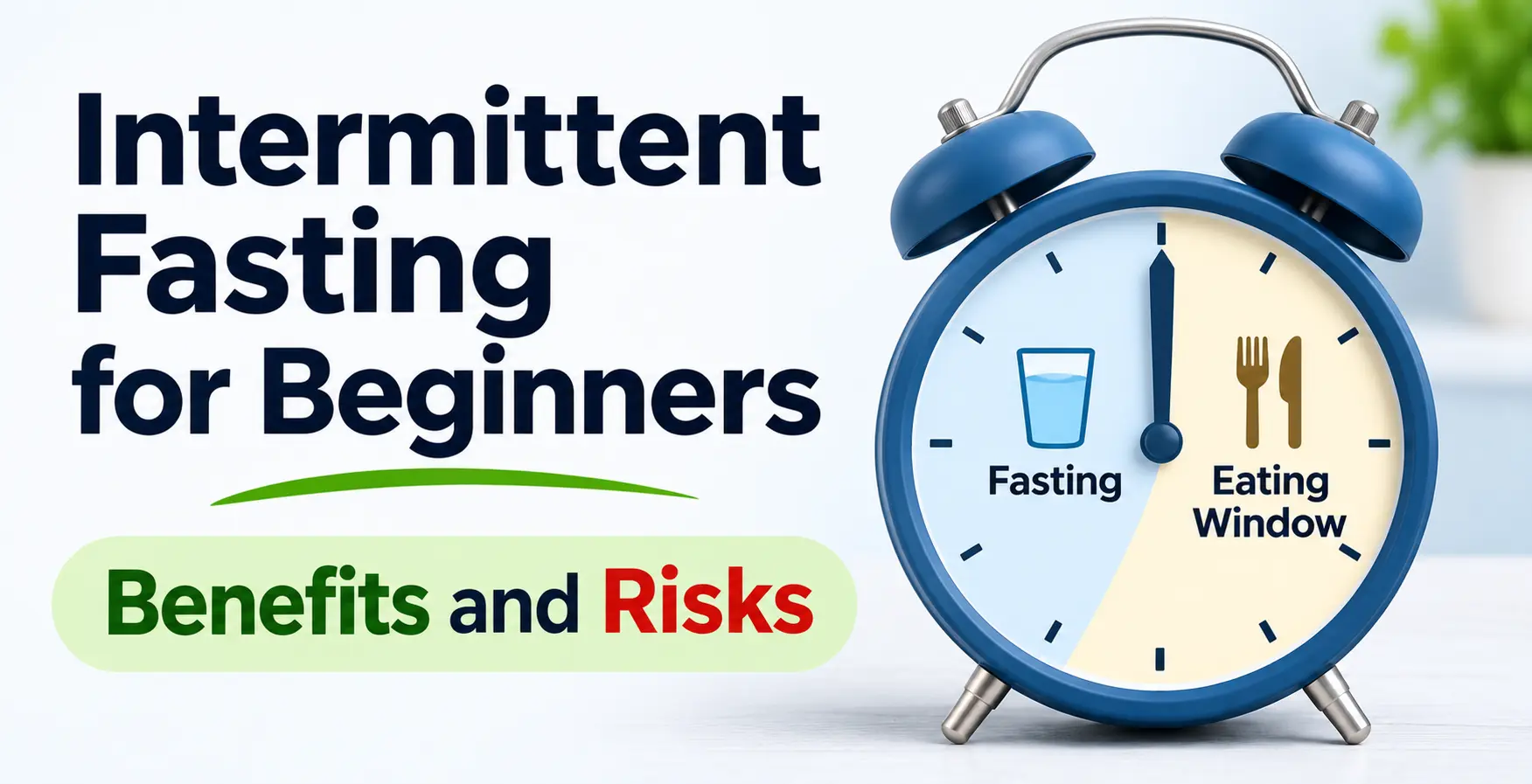
Intermittent fasting (IF) is an eating pattern that cycles between set periods of eating and fasting. It does not tell you what to eat; it focuses on when you eat. During the fasting window you consume only water, plain tea or black coffee, and no calories.
For most beginners, the easiest starting point is 12:12 or 14:10, then moving to 16:8 (16 hours fasting, 8 hours eating) once it feels comfortable.
How Does Intermittent Fasting Work?
After a meal, your body uses glucose from food for energy and stores the extra. Roughly 8 to 12 hours after your last meal, insulin levels fall and the body begins drawing more on stored fat. Some fasting researchers describe this as a “metabolic switch” toward fat-derived ketones.
IF can also make it easier to eat fewer calories overall simply because there are fewer hours to eat. That calorie reduction is likely a major reason people lose weight with IF.
Popular Intermittent Fasting Methods
| Method | How it works | Best for |
|---|---|---|
| 12:12 | Fast 12 hours, eat within 12 hours | Absolute beginners |
| 14:10 | Fast 14 hours, eat within 10 hours | Gentle step-up |
| 16:8 | Fast 16 hours, eat within 8 hours (e.g., 12 pm to 8 pm) | Most popular, easiest to maintain |
| 5:2 | Eat normally 5 days, about 500 to 600 calories on 2 non-consecutive days | People who prefer fewer fasting days |
| Alternate-day | Alternate normal days with very low-calorie days | Experienced fasters only |
| OMAD (one meal a day) | One meal within about 1 hour | Not recommended for beginners |
Potential Benefits of Intermittent Fasting
1. Weight and body fat loss
Multiple reviews show IF can produce weight loss similar to ordinary daily calorie restriction, typically a few percent of body weight over several months. It is not clearly superior to simply eating less every day, but many people find it simpler to follow.
2. Better blood sugar control and insulin sensitivity
Some studies report lower fasting insulin and improved insulin sensitivity, which may help people at risk of type 2 diabetes. Results are mixed, and people on diabetes medication must not start fasting without medical supervision.
3. Heart health markers
Small trials have found modest improvements in blood pressure, LDL cholesterol and triglycerides, mostly linked to weight loss. Long-term heart outcomes are still not well established.
4. Simpler eating routine
Fewer meal decisions, less late-night snacking and more structure are practical benefits many beginners report.
5. Possible effects on inflammation and cell repair
Animal research suggests fasting may trigger autophagy (cellular clean-up) and reduce inflammation. Human evidence is still early, so treat these as promising rather than proven.
Risks and Side Effects of Intermittent Fasting
Intermittent fasting is not risk-free. Common beginner side effects usually ease within 2 to 4 weeks:
- Hunger, irritability and difficulty concentrating
- Headaches and fatigue
- Dizziness, especially if you are dehydrated
- Constipation or acid reflux
- Sleep disturbance
- Overeating or bingeing during the eating window
More serious risks include:
- Low blood sugar (hypoglycemia) in people taking insulin or certain diabetes drugs
- Triggering or worsening disordered eating
- Nutrient deficiencies if the eating window is used for low-quality food
- Muscle loss if protein intake and strength training are inadequate
- Gallstones with rapid weight loss
Who Should Avoid Intermittent Fasting?
Talk to your doctor first, or avoid IF entirely, if you:
- Are pregnant, trying to conceive or breastfeeding
- Are under 18 or are an older adult who is frail or underweight
- Have type 1 or type 2 diabetes and take insulin or sulfonylureas
- Have a history of an eating disorder
- Have low blood pressure, kidney disease, or other chronic conditions
- Take medicines that must be taken with food
- Are recovering from surgery or illness
If you feel faint, confused, have chest pain or an irregular heartbeat, stop fasting and seek medical help.
How to Start Intermittent Fasting: A Simple 4-Week Beginner Plan
- Week 1: 12:12. Finish dinner by 8 pm and eat breakfast at 8 am. Notice your hunger patterns.
- Week 2: 14:10. Delay breakfast or stop eating earlier in the evening.
- Week 3: 16:8. For example, eat between 12 pm and 8 pm.
- Week 4: Fine-tune. Adjust the window around your work, family and sleep. Slower is fine.
Tips for Success
- Stay hydrated. Water, plain tea and black coffee are generally fine while fasting.
- Break your fast with real food. Choose protein, fibre, healthy fats and vegetables rather than sweets or fried snacks.
- Prioritise protein (eggs, dal, paneer, curd, fish, chicken, tofu) to protect muscle.
- Do not overeat to “make up” for the fast.
- Keep workouts moderate at first, especially in a fasted state.
- Sleep 7 to 8 hours. Poor sleep increases hunger hormones.
- Listen to your body. IF should feel manageable, not punishing.
Sample Day on 16:8 (Eating Window 12 pm to 8 pm)
- 12:00 pm: Vegetable omelette or moong dal chilla with curd
- 3:30 pm: Fruit with a handful of nuts
- 7:30 pm: Roti, dal, sabzi, salad and a portion of lean protein
- After 8 pm: Water, herbal tea or black coffee
Common Myths About Intermittent Fasting
- “Fasting puts you in starvation mode.” Short fasts do not significantly slow metabolism in healthy adults.
- “You must skip breakfast.” Not necessarily. You can choose an earlier window, such as 8 am to 4 pm.
- “IF is a magic fat burner.” Total calorie intake and food quality still matter.
- “Everyone benefits.” Evidence is mixed and individual response varies.
Frequently Asked Questions
Is intermittent fasting good for beginners?
Yes, for healthy adults, starting gradually with 12:12 or 14:10 is generally considered a gentle way to begin. People with medical conditions should check with a doctor first.
What is the best intermittent fasting schedule for beginners?
The 16:8 method is the most popular, but beginners often do better starting with 12:12 or 14:10 and progressing slowly.
Can I drink water or coffee while fasting?
Yes. Water, plain tea and black coffee without sugar or milk are generally accepted. Anything with calories technically breaks the fast.
How much weight can I lose with intermittent fasting?
Studies typically show modest loss of around 3 to 8 percent of body weight over 3 to 12 months, depending on the person and overall diet.
What are the side effects of intermittent fasting?
Headaches, hunger, tiredness, dizziness and irritability are common early on and usually settle as the body adapts.
Is intermittent fasting safe for people with diabetes?
It can be risky, particularly for those on insulin or sulfonylureas, because of low blood sugar. Only try it under medical supervision.
How long does it take to see results?
Some people notice changes in energy and appetite within 2 to 4 weeks. Measurable weight change generally takes 8 to 12 weeks.
Can women do intermittent fasting?
Yes, but women who are pregnant, breastfeeding, or have menstrual irregularities should speak with a doctor first, and may prefer gentler windows like 12:12 or 14:10.
Final Thoughts
Intermittent fasting can be a useful tool for weight management and building a structured eating routine, but it is not superior to other healthy diets and is not suitable for everyone. Start slowly, focus on nutritious food, stay hydrated and pay attention to how you feel. If you have any medical condition or take regular medication, consult your doctor before you begin.