
Dandruff is one of the most common scalp problems affecting people of all ages. If you frequently notice white flakes on your shoulders, experience an itchy scalp, or feel embarrassed wearing dark-coloured clothes because of visible flakes, you are not alone.
Dandruff can develop due to several factors, including dry skin, excess oil production, sensitivity to hair care products, and the growth of a naturally occurring scalp yeast called Malassezia.
The good news is that dandruff can often be managed with the right hair care routine, medicated shampoos, and a few simple lifestyle changes.
But what causes dandruff? Can coconut oil, aloe vera, or curd help reduce it? Which shampoo is best for dandruff?
In this article, we will explore the common causes of dandruff, effective home remedies, treatment options, and practical tips to maintain a healthy scalp.
What Is Dandruff?
Dandruff is a common scalp condition characterised by the shedding of visible skin flakes. These flakes are usually white or yellowish and may be accompanied by itching, dryness, or scalp irritation.
Your scalp naturally sheds dead skin cells. However, when this process becomes more noticeable, flakes can accumulate in your hair and fall onto your shoulders.
Dandruff is often associated with a mild form of seborrhoeic dermatitis, although the two conditions are not exactly the same.
It is generally not contagious and is not caused by poor personal hygiene.
What Are the Main Causes of Dandruff?
Understanding the cause of dandruff can help you choose the right treatment.
Here are some common factors responsible for dandruff.
1. Excess Oil Production on the Scalp
An oily scalp can contribute to dandruff. Excess sebum may combine with dead skin cells and create greasy, yellowish flakes.
People with oily skin may be more likely to experience this type of scalp problem.
What can help?
- Wash your hair regularly according to your scalp type.
- Use a suitable anti-dandruff shampoo.
- Avoid applying excessive hair oil to an already oily scalp.
- Rinse your hair thoroughly after shampooing.
2. Malassezia Yeast
Malassezia is a yeast that naturally lives on the skin, including the scalp.
In some people, the scalp reacts to this yeast and its by-products, contributing to inflammation, irritation, and increased skin shedding.
This is one of the important factors associated with dandruff and seborrhoeic dermatitis.
3. Dry Scalp
Dry scalp can cause small, white flakes and itching.
Cold weather, low humidity, frequent hot showers, and harsh hair care products can contribute to scalp dryness.
Unlike oily dandruff, flakes associated with dry skin are often smaller and less greasy.
What can help?
- Use a gentle shampoo.
- Avoid very hot water.
- Do not overwash your hair.
- Choose hair care products suitable for sensitive scalps.
4. Irregular Hair Washing
Not washing your hair regularly may allow oil, dead skin cells, and product residue to accumulate on the scalp.
This can make existing dandruff more noticeable, especially if you have an oily scalp.
However, washing your hair too frequently with harsh products can also cause irritation.
Maintaining a washing schedule suited to your scalp type is important.
5. Sensitivity to Hair Care Products
Certain shampoos, conditioners, hair dyes, fragrances, and styling products may irritate the scalp.
This can lead to itching, redness, flaking, and inflammation.
In some cases, the condition may be contact dermatitis rather than ordinary dandruff.
What can help?
- Avoid products that cause irritation.
- Choose mild, fragrance-free products if your scalp is sensitive.
- Stop using a newly introduced product if symptoms develop.
- Consult a dermatologist if irritation continues.
6. Stress and Lifestyle Factors
Stress may worsen dandruff symptoms in some individuals, particularly those prone to seborrhoeic dermatitis.
Poor sleep and lifestyle habits may also affect overall skin health.
Maintaining a healthy routine, getting sufficient sleep, and managing stress can support scalp health.
7. Weather Changes
Dandruff may become more noticeable during colder months or seasonal changes.
Cold weather and indoor heating can contribute to dryness, while heat and humidity may increase sweating and oil accumulation.
Adjusting your hair care routine according to the season can help manage symptoms.
How to Get Rid of Dandruff Naturally at Home
Some home remedies may soothe an irritated scalp or help maintain scalp hygiene. However, scientific evidence supporting many traditional dandruff remedies is limited.
They should not replace proven anti-dandruff treatments when symptoms persist.
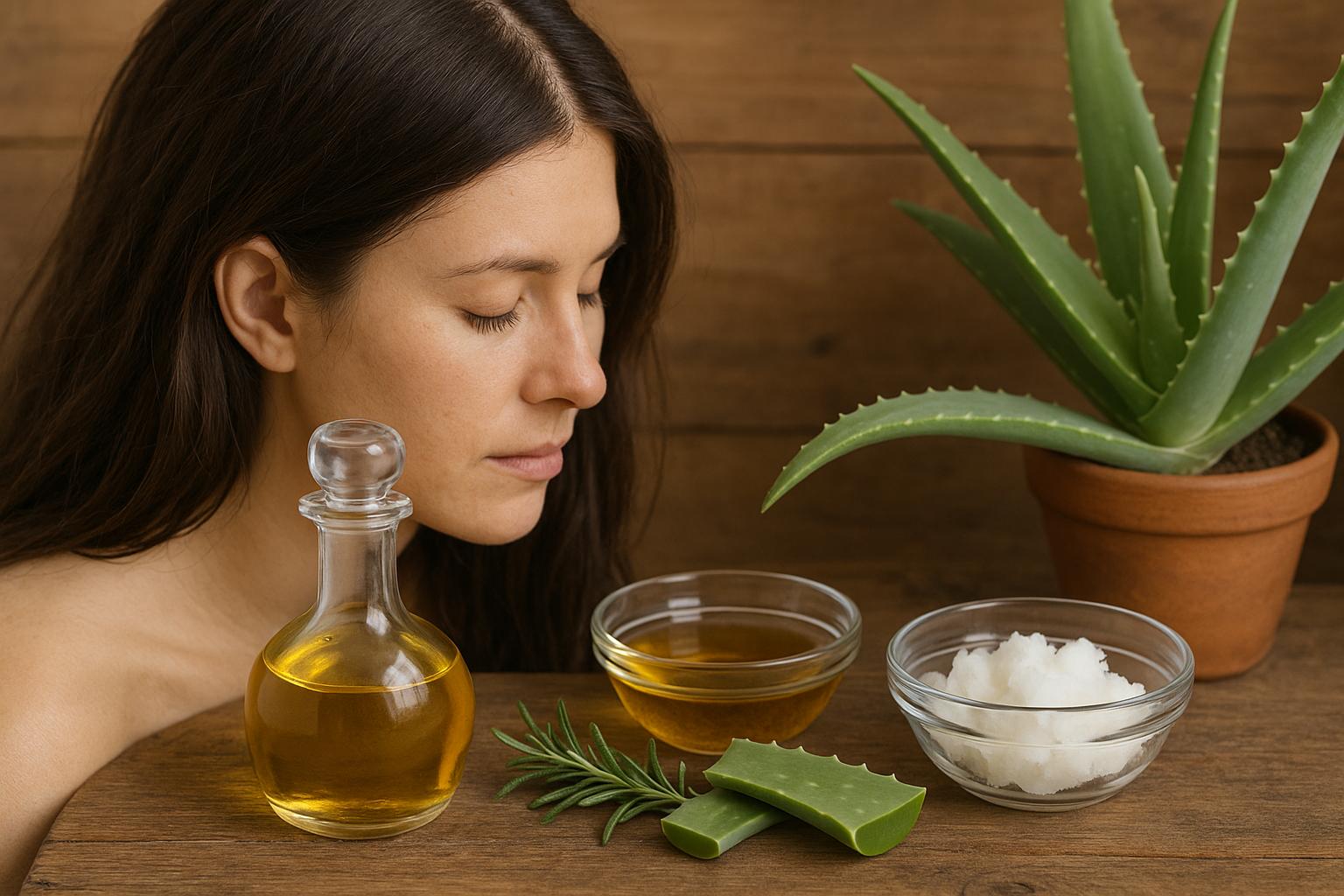
1. Aloe Vera for Scalp Care
Aloe vera is known for its soothing and moisturising properties.
It may help soothe mild scalp irritation, although it is not an established treatment for the underlying causes of dandruff.
How to use it:
- Choose a clean aloe vera gel formulated for scalp use.
- Apply a small amount to the affected scalp area.
- Leave it on for approximately 10–15 minutes if tolerated.
- Rinse thoroughly with lukewarm water.
Perform a patch test before use and discontinue if irritation occurs.
2. Coconut Oil for Dry Scalp
Coconut oil is commonly used in Indian hair care because it helps condition hair and reduce moisture loss from the hair shaft.
It may help with dryness, but it does not treat the yeast-related causes of dandruff.
For some people with oily dandruff or seborrhoeic dermatitis, applying excess oil directly to the scalp may worsen symptoms.
How to use it:
- Take a small amount of coconut oil.
- Apply it mainly to dry hair lengths.
- Avoid heavy scalp application if your scalp is oily or flaky.
- Wash your hair with a suitable shampoo.
3. Avoid Hot Water
Washing your hair with very hot water may strip away natural oils and irritate the scalp.
Instead, use lukewarm water while shampooing and rinsing.
This simple change may help reduce dryness and discomfort.
4. Maintain a Clean Hair Care Routine
Regular scalp cleansing can help remove excess oil, dead skin cells, and product buildup.
Follow these habits:
- Wash your hair according to your scalp type.
- Rinse shampoo and conditioner thoroughly.
- Avoid excessive use of styling products.
- Clean your hairbrush regularly.
- Avoid scratching your scalp with your nails.
5. Try a Gentle Scalp Massage
A gentle scalp massage while shampooing can help distribute the shampoo and loosen flakes.
Use your fingertips rather than your nails to avoid damaging the scalp.
Avoid aggressive scrubbing, particularly if your scalp is inflamed or irritated.
Best Anti-Dandruff Shampoos and Ingredients
If home remedies are not providing relief, an anti-dandruff shampoo may be more effective.
Look for shampoos containing ingredients that target dandruff and scalp inflammation.
| Ingredient | How It Helps |
|---|---|
| Ketoconazole | Antifungal ingredient that helps control Malassezia yeast |
| Zinc Pyrithione | Helps control dandruff-associated microorganisms and flaking |
| Selenium Sulfide | Helps reduce yeast growth and scalp cell turnover |
| Salicylic Acid | Helps loosen and remove accumulated scalp flakes |
| Coal Tar | Helps slow excessive skin cell turnover in certain scalp conditions |
How to Use Anti-Dandruff Shampoo Correctly
Using an anti-dandruff shampoo properly is important for getting good results.
- Wet your hair and scalp thoroughly.
- Apply the shampoo directly to the scalp.
- Gently massage using your fingertips.
- Leave it on for the time mentioned on the product label.
- Rinse thoroughly.
- Repeat according to the recommended usage instructions.
Some medicated shampoos need to remain on the scalp for several minutes to work effectively.
The frequency of use depends on the active ingredient and your scalp condition. Follow the product instructions or your dermatologist’s advice.
Difference Between Dry Scalp and Dandruff
Dry scalp and dandruff can look similar, but they are not the same condition.
Understanding the difference can help you choose appropriate hair care products.
| Feature | Dry Scalp | Dandruff |
|---|---|---|
| Flakes | Usually small and white | White, yellowish, or sometimes greasy |
| Scalp Condition | Dry and sometimes tight | Often oily or inflamed |
| Itching | Common | Common |
| Main Factors | Dryness, weather, harsh products | Malassezia, oil production, inflammation |
| Management | Gentle cleansing and suitable moisturising care | Medicated anti-dandruff shampoo |
If you are unsure whether you have dandruff, dry scalp, psoriasis, or another skin condition, consult a dermatologist.
7 Daily Hair Care Tips to Prevent Dandruff
Maintaining a healthy scalp requires consistency. Here are seven simple habits that may help reduce dandruff flare-ups.
1. Wash Your Hair Regularly
Keep your scalp clean by following a washing routine suitable for your hair type.
People with oily scalps may need more frequent washing than those with dry scalps.
2. Avoid Excessive Hair Oil
Applying too much oil to an oily or dandruff-prone scalp may worsen symptoms in some individuals.
Use hair oil in moderation, and avoid leaving heavy oil applications on an irritated scalp.
3. Choose the Right Shampoo
Select a shampoo according to your scalp condition.
If you have persistent dandruff, use an appropriate medicated anti-dandruff shampoo rather than relying only on cosmetic products.
4. Avoid Scratching Your Scalp
Scratching can damage the skin and increase irritation.
If itching is persistent, address the underlying cause instead of repeatedly scratching.
5. Keep Your Hairbrush Clean
Hairbrushes can accumulate hair, dead skin cells, and styling product residue.
Clean your brush regularly and avoid sharing personal hair care items.
6. Manage Stress
Stress may worsen some inflammatory scalp conditions.
Try activities such as walking, yoga, meditation, and regular physical exercise to support overall well-being.
7. Maintain a Balanced Diet
Eat a varied diet containing protein, vitamins, minerals, and healthy fats.
Include foods such as:
- Eggs
- Nuts and seeds
- Green leafy vegetables
- Whole grains
- Lentils
- Fruits
- Fish
A balanced diet supports overall skin and hair health, although no specific food can cure dandruff.
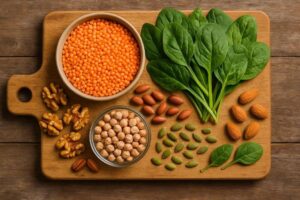
Foods That Support Healthy Hair and Scalp
Nutrition plays an important role in maintaining healthy hair and skin.
Here are some nutrient-rich foods to include in your diet.
1. Zinc-Rich Foods
Zinc supports normal skin function.
Good sources include:
- Pumpkin seeds
- Chickpeas
- Lentils
- Nuts
- Whole grains
- Dairy products
2. Omega-3 Fatty Acids
Omega-3 fatty acids support normal skin function and help maintain overall health.
Include:
- Fatty fish
- Walnuts
- Flaxseeds
- Chia seeds
3. Protein-Rich Foods
Hair is primarily made of a protein called keratin. Adequate protein intake is important for normal hair growth.
Good sources include:
- Eggs
- Paneer
- Dal
- Soybeans
- Chicken
- Fish
4. Vitamin-Rich Foods
A balanced diet provides vitamins that support healthy skin and hair.
Include:
- Spinach
- Carrots
- Oranges
- Guava
- Sweet potatoes
- Almonds
Avoid taking high-dose supplements unless a healthcare professional identifies a deficiency or recommends them.
When Should You See a Dermatologist?
Most mild dandruff cases can be managed with appropriate anti-dandruff shampoos.
However, consult a dermatologist if you experience:
- Persistent dandruff despite using medicated shampoo correctly.
- Severe itching or scalp irritation.
- Red, swollen, or painful areas on the scalp.
- Thick, crusty, or widespread scales.
- Scalp sores or bleeding.
- Hair loss along with scaling.
- Flaking around the eyebrows, ears, or sides of the nose.
These symptoms may indicate seborrhoeic dermatitis, psoriasis, eczema, fungal infection, or another scalp condition requiring specific treatment.
Final Thoughts
Dandruff is a common scalp condition, but it does not have to become a persistent problem.
Understanding the underlying cause, choosing the right anti-dandruff shampoo, maintaining scalp hygiene, and avoiding irritating hair care practices can help manage flakes and itching.
Home remedies such as aloe vera and coconut oil may offer limited benefits for certain scalp concerns, but they should not replace proven treatments when dandruff persists.
If you experience severe itching, redness, inflammation, or hair loss, consult a dermatologist for proper diagnosis and treatment.
Remember, a healthy scalp is an important part of overall hair care, and consistent attention to your scalp can make a meaningful difference.
Medical Disclaimer: This article is intended for general educational purposes and does not replace professional medical advice, diagnosis, or treatment.
Frequently Asked Questions
Dandruff is commonly associated with a combination of scalp oil production, sensitivity to Malassezia yeast, and inflammation. Dry skin and sensitivity to hair care products can also cause scalp flaking.
Dandruff is often a recurring condition rather than something that can be permanently eliminated. Regular use of an appropriate anti-dandruff shampoo can help control symptoms and prevent flare-ups.
Coconut oil can help condition dry hair, but it is not a proven treatment for dandruff caused by Malassezia yeast. Heavy scalp application may worsen symptoms in some people.
Aloe vera may help soothe mild scalp irritation, but there is limited scientific evidence that it effectively treats dandruff. Medicated shampoos are generally more reliable.
The ideal frequency depends on your scalp type and the shampoo you use. People with oily scalps may need more frequent washing, while medicated shampoos should be used according to their instructions.